The Third Age (Democratic) of Harold Blooms Canon (Part 4)
Explore Harold Bloom's democratic canon in Part 4, featuring essential fiction like Charles Dickens' *Our Mutual Friend* and Anthony Trollope's *The Way We Live Now*. Discover the key books and authors that define this era of literary greatness.


Book
Our Mutual Friend
by Charles Dickens
A satiric masterpiece about the allure and peril of money, Our Mutual Friend revolves around the inheritance of a dust-heap where the rich throw their trash. When the body of John Harmon, the dust-heap’s expected heir, is found in the Thames, fortunes change hands surprisingly, raising to new heights “Noddy” Boffin, a low-born but kindly clerk who becomes “the Golden Dustman.” Charles Dickens’s last complete novel, Our Mutual Friend encompasses the great themes of his earlier works: the pretensions of the nouveaux riches, the ingenuousness of the aspiring poor, and the unfailing power of wealth to corrupt all who crave it. With its flavorful cast of characters and numerous subplots, Our Mutual Friend is one of Dickens’s most complex—and satisfying—novels.




Book
Studies in the History of the Renaissance (Collected Works of Walter Pater)
No summary available.


Book
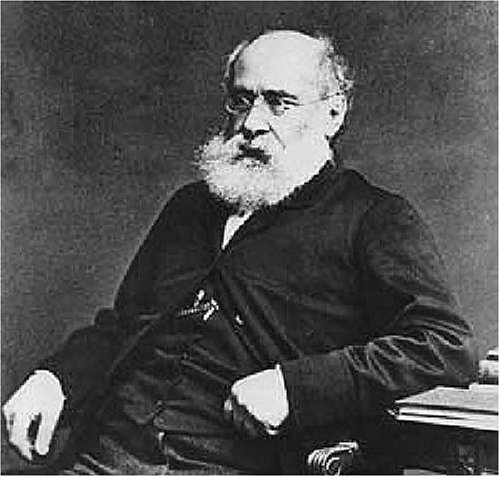
The Way We Live Now
by Anthony Trollope
The mysterious financier Augustus Melmotte buys a great house in London, where he succeeds in persuading many prominent Londoners to invest in his fictitious railroad, the South Central Pacific and Mexican. Melmotte also attempts to secure for himself a place in the House of Commons and to marry his daughter to a titled aristocrat. Trollope's masterpiece is a scathing indictment of the materialism and greed that permeated the Victorian Age.