The Second Age (Aristocratic) of Harold Blooms Canon (Part 4)
Explore Harold Bloom's aristocratic canon, Part 4: Foucault's essential fiction and history list, featuring Rabelais' Gargantua and Pantagruel, Defoe's Robinson Crusoe, and Richardson's Clarissa.


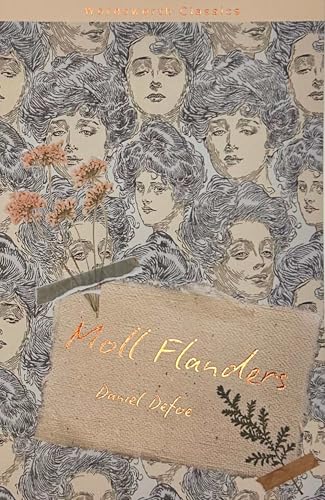

Book
Robinson Crusoe
by Daniel Defoe
On a desolate tropical island, a shipwrecked British seaman tries to master his hostile environment and remain civilized.

Book
A Journal of the Plague Year
by Daniel Defoe
“The surprise ‘must-read’ for people facing the Covid-19 epidemic.” —The Telegraph In 1665 the plague swept through London, claiming over 97,000 lives. Daniel Defoe was just five at the time of the plague, but he later called on his own memories, as well as his writing experience, to create this vivid chronicle of the epidemic and its victims. A Journal (1722) follows Defoe's fictional narrator as he traces the devastating progress of the plague through the streets of London. Here we see a city transformed: some of its streets suspiciously empty, some—with crosses on their doors—overwhelmingly full of the sounds and smells of human suffering. And every living citizen he meets has a horrifying story that demands to be heard. For more than seventy years, Penguin has been the leading publisher of classic literature in the English-speaking world. With more than 1,700 titles, Penguin Classics represents a global bookshelf of the best works throughout history and across genres and disciplines. Readers trust the series to provide authoritative texts enhanced by introductions and notes by distinguished scholars and contemporary authors, as well as up-to-date translations by award-winning translators.

Book
Clarissa, Or, The History of a Young Lady
by Samuel Richardson
Written entirely in letters, this novel conveys the nuances and tensions only present in personal epistolary form. This novel is considered a keystone of modern English novels. Includes a new Introduction. Revised reissue.





Book
Chronicles
by Jean Froissart
One of the greatest contemporary records of fourteenth-century England and France Depicting the great age of Anglo-French rivalry from the deposition of Edward II to the downfall of Richard II, Froissart powerfully portrays the deeds of knights in battle at Sluys, Crecy, Calais and Poitiers during the Hundred Years War. Yet they are only part of this vigorous portrait of medieval life, which also vividly describes the Peasants' Revolt, trading activities and diplomacy against a backdrop of degenerate nobility. Written with the same sense of curiosity about character and customs that underlies the works of Froissart's contemporary, Chaucer, the Chronicles are a magnificent evocation of the age of chivalry. For more than seventy years, Penguin has been the leading publisher of classic literature in the English-speaking world. With more than 1,700 titles, Penguin Classics represents a global bookshelf of the best works throughout history and across genres and disciplines. Readers trust the series to provide authoritative texts enhanced by introductions and notes by distinguished scholars and contemporary authors, as well as up-to-date translations by award-winning translators.


Book
Gargantua and Pantagruel
by Francois Rabelais
A masterly new translation of Rabelais’s robust scatalogical comedy Parodying everyone from classic authors to his own contemporaries, the dazzling and exuberant stories of Rabelais expose human follies with mischievous and often obscene humor. Gargantua depicts a young giant who becomes a cultured Christian knight. Pantagruel portrays Gargantua’s bookish son who becomes a Renaissance Socrates, divinely guided by wisdom and by his idiotic, self-loving companion, Panurge.