More Ancient Egypt for Modern Pagans
Discover modern pagan insights through ancient Egypt with this curated book list, featuring Zahi Hawass’s *Valley of the Golden Mummies* and Joyce Tyldesley’s *Nefertiti* and *Hatchepsut*—essential reads on Egyptian history, archaeology, and spiritual legacy.

Book
Valley of the Golden Mummies
by Zahi Hawass
In this beautifully illustrated volume, archaeologist Hawass reveals his first-hand experiences at a site in the middle of the desert which yielded a group of intact Egyptian tombs containing at least 60 gilded mummies, and perhaps hundreds more, dating from the first and second centuries A.D. After providing historical context for the find as well as information about mummification in ancient Egypt, he speculates about how much we may learn from this spectacular discovery. Since the excavation site will remain closed to the public, this volume provides the only way to see what lies within these mysterious graves. He also discusses other sites being rediscovered and excavated, such as the famous Temple of Alexander the Great. Contains 300 illustrations, including 260 color plates. Oversize: 10x12". Annotation copyrighted by Book News Inc., Portland, OR


Book
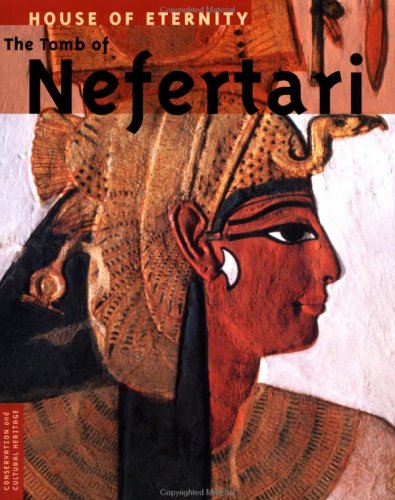
Nefertiti
by Joyce A. Tyldesley
Joyce Tyldesley uses a combination of archaeological, textual and artistic evidence to provide a detailed discussion of the life and times of Nefertiti, Egypt's sun queen, set against the background of the ephemeral Amarna court.

Book
Hatchepsut
by Joyce Tyldesley
Queen - or, as she would prefer to be remembered King - Hatchepsut was an astonishing woman. Brilliantly defying tradition she became the female embodiment of a male role, dressing in men's clothes and even wearing a false beard. Forgotten until Egptologists deciphered hieroglyphics in the 1820's, she has since been subject to intense speculation about her actions and motivations. Combining archaeological and historical evidence from a wide range of sources, Joyce Tyldesley's dazzling piece of detection strips away the myths and misconceptions and finally restores the female pharaoh to her rightful place.