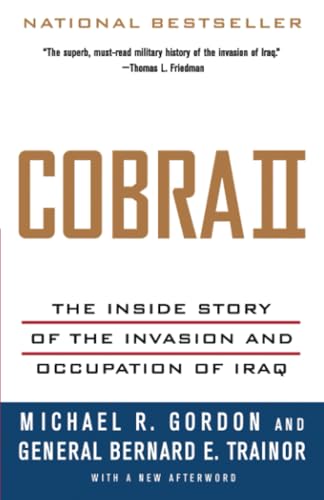
Going to work inside the Beltway?
Explore essential Beltway books for work inside Washington, D.C. Dive into political intrigue with Neal Stephenson's The Cobweb, Machiavelli's The Prince, and Kafka's The Trial. Perfect curated reading for navigating the capital's power dynamics.


Book
The Cobweb
by Neal Stephenson
From his triumphant debut with Snow Crash to the stunning success of his latest novel, Quicksilver, Neal Stephenson has quickly become the voice of a generation. In this now-classic political thriller, he and fellow author J. Frederick George tell a savagely witty, chillingly topical tale set in the tense moments of the Gulf War. When a foreign exchange student is found murdered at an Iowa University, Deputy Sheriff Clyde Banks finds that his investigation extends far beyond the small college town—all the way to the Middle East. Shady events at the school reveal that a powerful department is using federal grant money for highly dubious research. And what it’s producing is a very nasty bug. Navigating a plot that leads from his own backyard to Washington, D.C., to the Gulf, where his Army Reservist wife has been called to duty, Banks realizes he may be the only person who can stop the wholesale slaughtering of thousands of Americans. It’s a lesson in foreign policy he’ll never forget.


Book
The Trial
by Franz Kafka
From one of the greatest writers of the twentieth century, the author of The Metamorphosis: Written in 1914 but not published until 1925, a year after Kafka’s death, The Trial is the terrifying tale of Josef K., a respectable bank officer who is suddenly and inexplicably arrested and must defend himself against a charge about which he can get no information. Whether read as an existential tale, a parable, or a prophecy of the excesses of modern bureaucracy wedded to the madness of totalitarianism, The Trial has resonated with chilling truth for generations of readers.

Book
The Prince
by Niccolo Machiavelli
Here is the world's most famous master plan for seizing and holding power. Astonishing in its candor The Prince even today remains a disturbingly realistic and prophetic work on what it takes to be a prince . . . a king . . . a president. When, in 1512, Machiavelli was removed from his post in his beloved Florence, he resolved to set down a treatise on leadership that was practical, not idealistic. In The Prince he envisioned would be unencumbered by ordinary ethical and moral values; his prince would be man and beast, fox and lion. Today, this small sixteenth-century masterpiece has become essential reading for every student of government, and is the ultimate book on power politics.