Beauty Books: Looking Fabulous Through Scalpel and the Scale
Discover the ultimate beauty books guide, exploring what it means to look fabulous through scalpel and scale. From Umberto Eco's History of Beauty to Naomi Wolf's The Beauty Myth and Matt Ridley's The Red Queen, this curated list blends art, science, and social critique for a transformative read.
Book
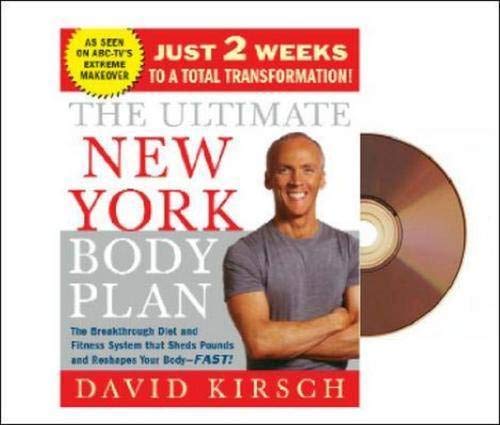
The Ultimate New York Body Plan : Just Two Weeks to a Total Transformation
by David Kirsch
No summary available.





Book
The Beauty Myth
by Naomi Wolf
The bestselling classic that redefined our view od the relationship between beauty and female identity. In today's world, women have more power, legal recognition, and professional success than ever before. Alongside the evident progress of the women's movement, however, writer and journalist Naomi Wolf is troubled by a different kind of social control, which, she argues, may prove just as restrictive as the traditional image of homemaker and wife. It's the beauty myth, an obsession with physical perfection that traps the modern woman in an endless spiral of hope, self-consciousness, and self-hatred as she tries to fulfill society's impossible definition of "the flawless beauty."


Book
The Red Queen
by Matt Ridley
Referring to Lewis Carroll's Red Queen from Through the Looking-Glass, a character who has to keep running to stay in the same place, Matt Ridley demonstrates why sex is humanity's best strategy for outwitting its constantly mutating internal predators. The Red Queen answers dozens of other riddles of human nature and culture -- including why men propose marriage, the method behind our maddening notions of beauty, and the disquieting fact that a woman is more likely to conceive a child by an adulterous lover than by her husband. Brilliantly written, The Red Queen offers an extraordinary new way of interpreting the human condition and how it has evolved.

Book
History of Beauty
by Umberto Eco
Explores the nature, the meaning, and the very history of the idea of beauty in Western culture; illustrated with abundant examples of painting and sculpture and lengthy quotations from writers and philosophers. Demonstrates how every historical era has had its own ideas about eye-appeal.